

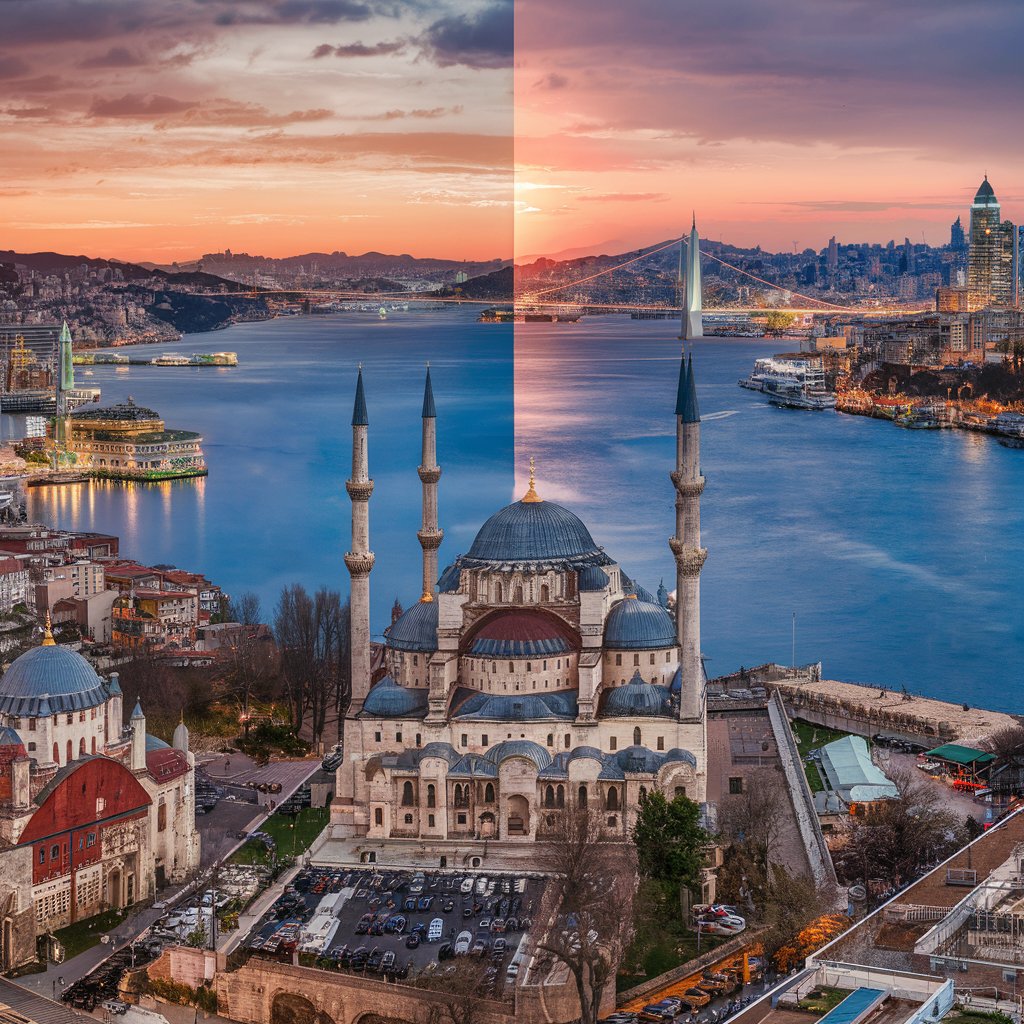
Istanbul is one of the world’s most extraordinary cities, defined by its unique position at the crossroads of Europe and Asia and shaped by thousands of years of continuous human civilization. We recognize Istanbul not merely as a city, but as a living narrative of empires, faiths, trade, and cultural exchange. From its ancient origins to its role as a modern global metropolis, Istanbul embodies resilience, diversity, and timeless beauty. This article explores the city’s historical depth, cultural richness, architectural splendor, and contemporary significance through a detailed and structured lens.
The Historical Legacy of Istanbul
Istanbul’s history spans more than two millennia, during which it served as the capital of three major empires: Roman, Byzantine, and Ottoman. Originally known as Byzantium and later Constantinople, the city was a center of political power, commerce, and intellectual life. We observe that each era left an indelible mark on Istanbul’s urban fabric, from monumental walls and churches to mosques and palaces.
The city’s strategic location along vital trade routes allowed it to flourish economically and culturally. Istanbul became a bridge not only between continents but also between civilizations, facilitating the exchange of ideas, technologies, and traditions that shaped world history.
Geographical Significance and the Bosphorus Strait
A City Between Two Continents
One of Istanbul’s most defining features is its geography. The Bosphorus Strait divides the city between Europe and Asia, making Istanbul the only major city in the world to span two continents. We see this geographical uniqueness as a central element of the city’s identity, influencing its culture, economy, and daily life.
The Bosphorus has historically served as a vital maritime passage connecting the Black Sea to the Mediterranean. Today, it remains a bustling waterway lined with historic mansions, palaces, and modern residences, offering stunning views that symbolize Istanbul’s blend of past and present.
Architectural Marvels and Urban Identity
Monuments That Define Civilization
Istanbul’s skyline is shaped by architectural masterpieces that reflect its layered history. Structures such as Hagia Sophia, Blue Mosque, and Topkapi Palace stand as enduring symbols of artistic and engineering achievement. We recognize these landmarks not only for their beauty but for their historical significance, as they represent pivotal moments in religious, political, and cultural transformation.
Beyond monumental architecture, Istanbul’s neighborhoods reveal a rich urban texture of narrow streets, wooden houses, markets, and modern developments. This coexistence of old and new defines the city’s dynamic character and visual identity.
Cultural Diversity and Daily Life
A Mosaic of Traditions and Lifestyles
Istanbul is home to a diverse population shaped by centuries of migration, trade, and cultural interaction. We observe that the city’s culture reflects a fusion of Eastern and Western influences, evident in language, cuisine, music, and social customs. Daily life in Istanbul is a vibrant mix of tradition and modernity, where centuries-old practices coexist with contemporary urban rhythms.
From bustling bazaars and tea gardens to modern cafés and art galleries, Istanbul offers a lifestyle that appeals to both tradition-oriented communities and cosmopolitan residents. This cultural richness contributes to the city’s global appeal and enduring charm.
Economic and Strategic Importance
Istanbul plays a central role in Turkey’s economy and serves as a regional hub for finance, trade, tourism, and transportation. We understand that its strategic position continues to support economic activity, attracting international businesses and investors. The city’s ports, airports, and infrastructure connect Europe, Asia, and the Middle East, reinforcing its status as a global gateway.
Tourism is also a key economic driver, with millions of visitors drawn to Istanbul’s historical sites, cultural experiences, and scenic landscapes. This global attention further strengthens the city’s influence and visibility on the world stage.
Cuisine and Culinary Heritage
Flavors Shaped by History
Istanbul’s cuisine reflects its multicultural heritage and imperial past. We recognize its food culture as one of the richest in the world, shaped by influences from Anatolia, the Balkans, the Middle East, and Central Asia. From street foods such as simit and kebabs to refined Ottoman dishes and contemporary culinary innovations, Istanbul offers a gastronomic journey through history.
Food in Istanbul is deeply social, bringing people together in homes, markets, and restaurants. This shared culinary tradition plays an essential role in preserving cultural identity and community bonds.
Modern Istanbul and Global Influence
Today, Istanbul stands as a modern metropolis that balances rapid development with historical preservation. We see ongoing efforts to modernize infrastructure, expand cultural institutions, and promote innovation while protecting the city’s unique heritage. Istanbul’s influence extends beyond national borders through art, fashion, film, and intellectual exchange.
As a global city, Istanbul continues to inspire writers, artists, and travelers, serving as a symbol of continuity amid change and a testament to humanity’s ability to build, adapt, and endure.
Conclusion
Istanbul is a city of layers, where history, geography, and culture intertwine to create a singular urban experience. Its role as a bridge between continents and civilizations has shaped its identity and sustained its relevance for centuries. We view Istanbul as more than a destination; it is a living testament to the power of cultural exchange and historical continuity. Through its architecture, people, traditions, and global presence, Istanbul remains one of the world’s most compelling and influential cities.