

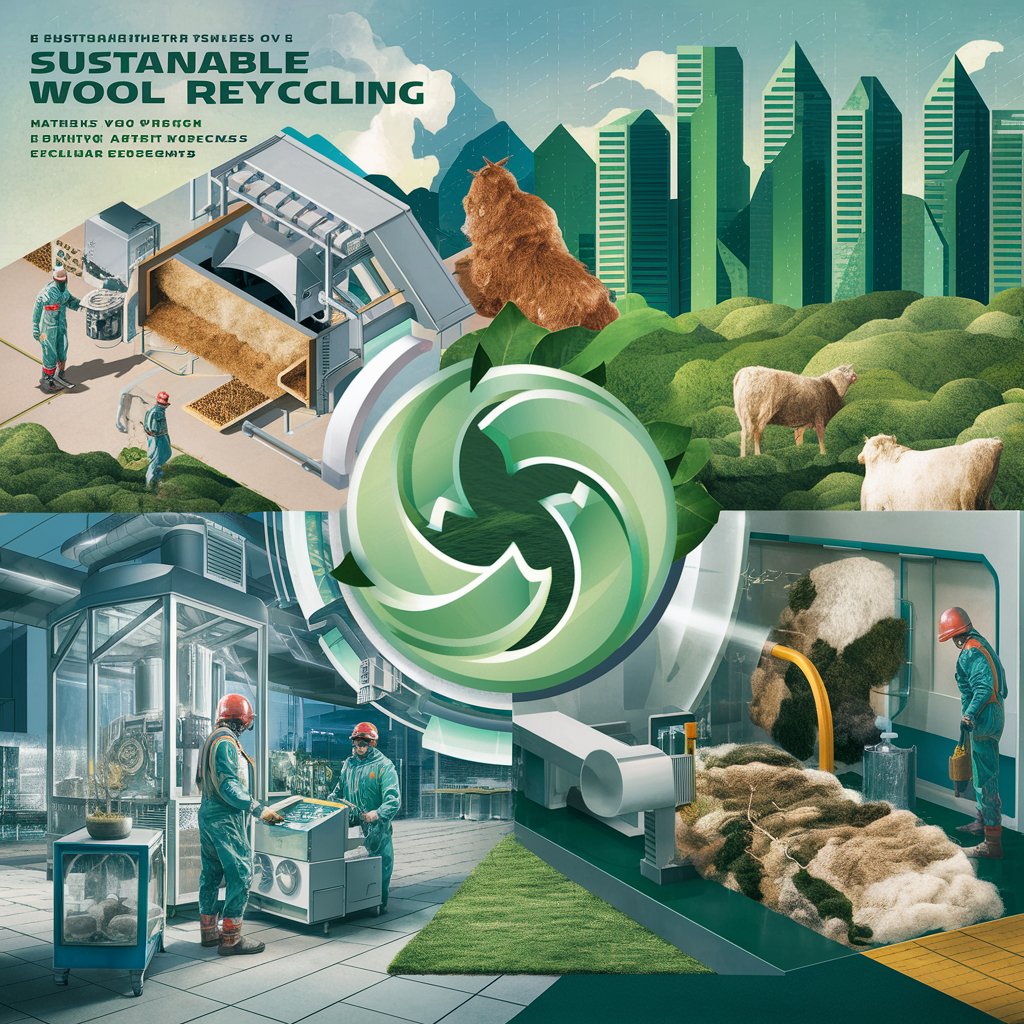
Woolrec represents a modern and forward-thinking approach to wool recycling and sustainable textile management. As the global fashion and textile industries face increasing pressure to reduce waste and environmental impact, Woolrec emerges as a concept centered on recovering, reprocessing, and reusing wool fibers that would otherwise end up in landfills. We focus on Woolrec as a solution-driven initiative that aligns traditional wool craftsmanship with innovative recycling technologies, creating value from post-consumer and post-industrial wool waste while supporting a circular economy.
Understanding the Concept Behind Woolrec
Woolrec is built on the principle that wool is a renewable and highly recyclable natural fiber. Unlike synthetic materials, wool retains its strength and performance even after multiple recycling cycles. We emphasize that Woolrec aims to collect discarded wool garments, production leftovers, and textile scraps, then transform them into reusable fibers or new wool-based products. This process reduces dependency on virgin raw materials and helps conserve natural resources such as water, land, and energy that are typically required in traditional wool production.
The Importance of Wool Recycling in the Modern Textile Industry
We recognize that wool recycling has become essential as textile waste continues to rise globally. Woolrec addresses this challenge by providing a structured pathway to extend the life cycle of wool products. Wool waste is often overlooked due to sorting and processing complexities, but Woolrec highlights the economic and environmental value hidden within used wool. By promoting recycling systems specifically designed for wool, Woolrec contributes to waste reduction, lower carbon emissions, and a more responsible textile supply chain.
How the Woolrec Recycling Process Works
We outline that the Woolrec process typically begins with collection and sorting, where wool materials are separated by color, quality, and fiber composition. This step minimizes the need for re-dyeing and chemical treatments. The sorted wool is then mechanically processed to break it down into fibers without compromising its natural properties. These fibers are cleaned, refined, and prepared for reuse in spinning, insulation materials, felt products, or blended yarns. Through this method, Woolrec ensures efficiency while preserving the inherent benefits of wool.
Environmental Benefits of Woolrec
We highlight that Woolrec delivers substantial environmental advantages. Recycling wool significantly reduces textile waste accumulation, limits landfill use, and decreases greenhouse gas emissions associated with incineration. Additionally, recycled wool requires far less water and energy than producing new wool fibers. By supporting Woolrec, manufacturers and consumers actively participate in lowering environmental footprints while encouraging responsible consumption patterns that benefit ecosystems and communities alike.
Economic and Social Impact of Woolrec
We acknowledge that Woolrec is not only environmentally beneficial but also economically impactful. Wool recycling initiatives create new jobs in collection, sorting, and processing, particularly in local and regional markets. By turning waste into valuable raw materials, Woolrec supports cost-efficient production models for textile manufacturers. Furthermore, it encourages collaboration between farmers, recyclers, designers, and brands, strengthening supply chains and promoting ethical business practices across the industry.
Applications of Recycled Wool Through Woolrec
We observe that recycled wool obtained through Woolrec can be used in a wide range of applications. These include apparel, blankets, carpets, upholstery, insulation panels, and acoustic materials. Recycled wool maintains excellent thermal regulation, breathability, and durability, making it suitable for both fashion and industrial uses. Woolrec demonstrates that sustainability does not require compromising on performance or quality, as recycled wool continues to meet high functional standards.
Woolrec and Sustainable Fashion
We emphasize that Woolrec aligns closely with the principles of sustainable and slow fashion. Designers and brands increasingly integrate recycled wool into collections to reduce waste and appeal to environmentally conscious consumers. Woolrec supports transparency and traceability, allowing brands to communicate sustainability efforts clearly. This approach builds trust with consumers who value ethical sourcing and environmentally responsible production.
Challenges and Innovations in Woolrec
We understand that wool recycling presents challenges, including fiber blending, contamination, and processing costs. Woolrec addresses these issues through technological innovation and improved sorting systems. Advances in mechanical recycling, fiber separation, and quality control continue to enhance efficiency and output quality. As research and development progress, Woolrec evolves into a more scalable and commercially viable solution for the global textile market.
The Future Vision of Woolrec
We foresee Woolrec playing a pivotal role in shaping the future of sustainable textiles. As regulations tighten and consumer awareness grows, wool recycling will become a standard practice rather than an alternative option. Woolrec symbolizes a shift toward responsible resource management, long-term sustainability, and circular production models. By investing in wool recycling today, industries and consumers contribute to a resilient and environmentally balanced textile ecosystem.
Conclusion
Woolrec stands as a powerful example of how innovation and tradition can work together to address modern environmental challenges. By focusing on recycling wool, Woolrec reduces waste, conserves resources, and creates economic opportunities while maintaining the natural benefits of one of the world’s most valuable fibers. We present Woolrec as a sustainable pathway forward, demonstrating that responsible textile practices are not only achievable but essential for the future of the industry.